Trotter
A calmer, sharper way to read the news
Trotter is a modern reader for Rotter.net, built around a simple product insight: people come for fast, developing news, but the original website is visually noisy, dated, and difficult to read.
I redesigned the experience around scanning, hierarchy, and calmer Hebrew typography so readers can understand what matters quickly.
About Rotter.net
Founded in 1997, Rotter.net is a long-running Hebrew news and forum destination in Israel, used for fast updates, developing stories, and community discussion.
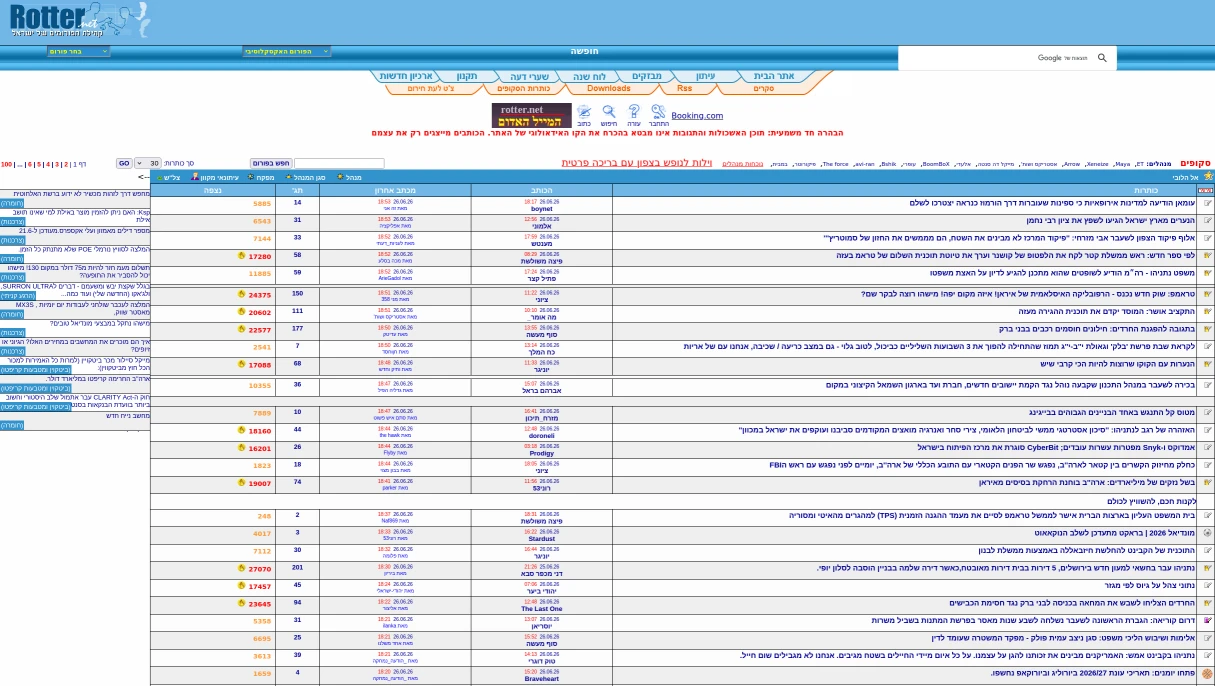
In 2026, the site still has an old-school forum look: dense text, small links, and a layout that feels closer to the early web than to modern news products.
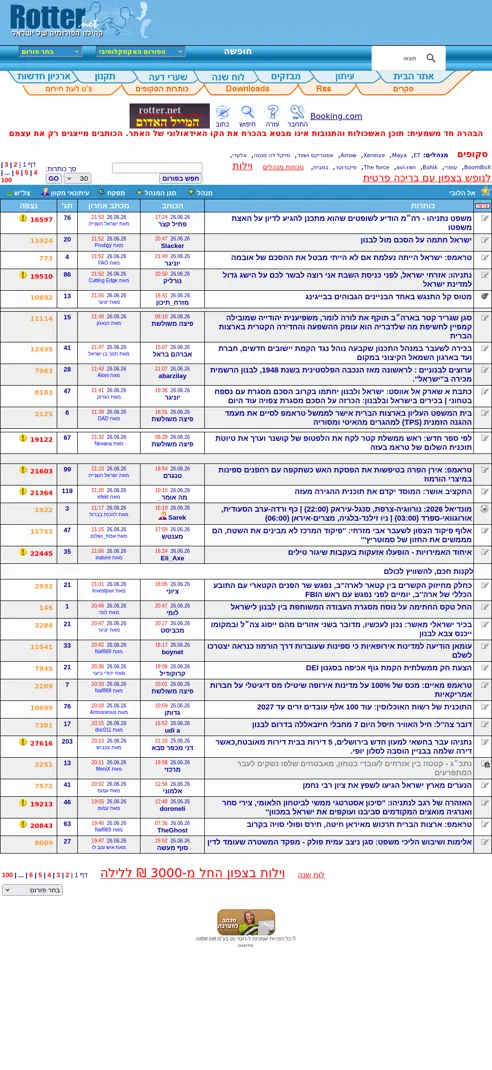
On mobile, Rotter.net still shows the desktop site squeezed into a phone screen.
Product Problem
Rotter.net has strong utility and loyal usage, but its legacy interface creates friction: dense pages, weak visual hierarchy, cluttered reading paths, and an experience that feels harder than it needs to on modern screens.
The opportunity was not to change the core behavior, but to make the same habit feel legible and current.
Product Decisions
Trotter is a news website for people who don't care for fluff and just want the latest headlines and developments.
I gave it a fresh coat of paint that looks good, is pleasant to read with, and wouldn't disturb if it stays dormant on a second screen.
The interface keeps the useful parts close: top stories, the latest updates, and quick actions without making the reader work for them.
Technical Discovery
I approached the technical side as a non-developer: by inspecting how Rotter's own mobile apps technically worked and tracing where the content was really coming from.
I coded it myself with AI, using it to read network behavior, test assumptions, and turn what I found into a working product. That process led me to the mobile data feed behind the app.
This let me move past a surface redesign and build a working reader around Rotter's real content flow. I hosted it through Cloudflare, so the project could run independently and improve quickly.
existing apps
in VS Code
on Cloudflare